
How Neighborhood Dynamics Shape Web Design in Vancouver
Looking for expert Web Design in Vancouver? Discover how hyper-local neighborhood cultures shape digital strategy and convert local buyers effectively.

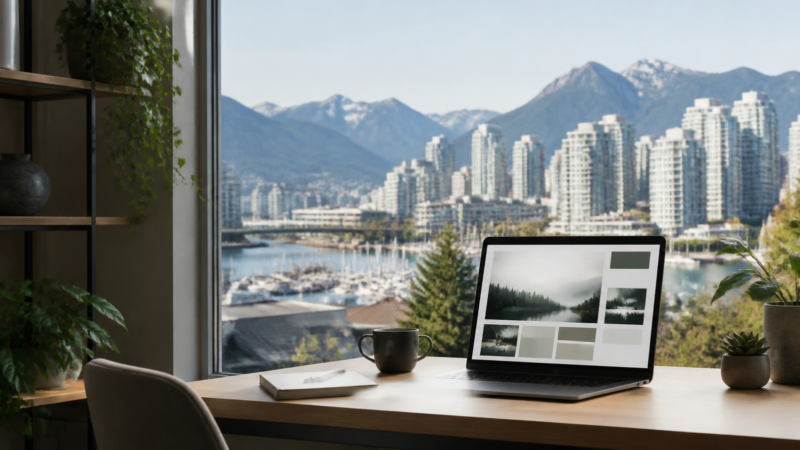
I still remember sitting in a small cafe off Main Street a few years ago, staring at a homepage draft for a local retail shop. I had built dozens of sites by then, but that afternoon something felt completely off. The client wanted a ultra-minimalist, high-fashion layout, but their physical store served practical, outdoorsy families in Mount Pleasant. The tone was distant, the navigation felt stiff, and the visuals lacked that warm, approachable personality people in this part of town expect.
That project taught me a valuable lesson. Effective Web Design in Vancouver is rarely a one-size-fits-all formula. Vancouver is not a single homogenous market where one aesthetic template works everywhere. It is a vibrant collection of micro-communities, each with its own rhythm, expectations, and digital habits. A boutique medical clinic on the Broadway Corridor requires a totally different online approach than a specialty contractor based in Burnaby or a craft brewery near Olympic Village.
Why Neighborhood Culture Redefines Web Design in Vancouver
When business owners reach out to start a redesign, they usually begin with a list of technical features. They ask for full-screen video banners, automated booking calendars, or AI chat widgets. While those features have their place, we always have to talk about geographic context and customer behavior first. Visual design and site structure must align with how local residents actually interact with businesses in their specific area.
If your physical business or primary target audience is centered in Gastown, your site design needs to respect that aesthetic environment. Visitors looking at businesses in that district expect sharp visual design, thoughtful typography, and creative editorial layouts. If your website looks like an outdated corporate template from twenty years ago, prospective clients will bounce before reading a single line of copy.
On the flip side, if you operate a residential plumbing company serving North Vancouver and the Tri-Cities, user intent flips completely. Those customers are often searching from a mobile phone while standing next to a leaking water heater during a heavy rainstorm. They do not want artistic negative space or complex animated navigation. They need a massive click-to-call button, clear proof of local licensing, defined service areas, and immediate page speed.
The Mount Pleasant Tech and Craft Hybrid
Let us look at Mount Pleasant as a prime example of local context. It is an area where independent creative agencies, software startups, and artisan makers sit right next to each other. Web design in this space requires a delicate balance between authentic human storytelling and modern technical utility.
I worked with a specialty coffee roaster located in this area a while back. Their original site was overly corporate, filled with generic stock photos of corporate conference rooms. It completely disconnected them from their local customer base. We overhauled their site architecture using rich local photography, warm visual tones, and simple subscription options for local delivery. By aligning their website strategy with the authentic feel of their physical neighborhood, online recurring sales rose steadily over the following quarter.
Why Neighborhood Culture Redefines Web Design in Vancouver for Service Providers
Understanding user intent across different regions of the Lower Mainland helps us make smarter choices about site hierarchy and content placement. A website is ultimately a communication channel, and speaking the local language matters just as much as write clean code.
Here is how strategy and layout priorities naturally shift across three distinct local business models:
- Boutique Professional Services (Kitsilano and West Side): Clients searching for wellness practitioners, private law practices, or independent financial planning in these neighborhoods value calm authority and absolute clarity. The web design should focus on high readability, detailed staff backgrounds, simple scheduling integrations, and subtle color palettes. Aggressive sales pop-ups and high-pressure timers will alienate these visitors fast.
- Specialized Trades and Field Services (Surrey, Delta, and Suburban Hubs): Homeowners hiring contractors for major projects care deeply about reliability and proximity. They want to see real project photos from nearby neighborhoods, not perfect stock photography from Florida. Adding interactive project galleries, local service maps, and upfront estimate calculators creates immediate local credibility.
- Niche E-Commerce and Local Retailers (East Vancouver): Local shoppers enjoy supporting independent retail, but they still demand the frictionless checkout experiences built by massive online marketplaces. The design must highlight the story behind the products while keeping the shopping cart fast, secure, and easy to navigate on a phone.
Rain, Mobile Usage, and the Realities of Local User Experience
There is a physical detail that out-of-town agencies frequently overlook when building sites for our regional market: weather and daily transit habits directly influence mobile user experience. This sound simple, but it has a huge impact on conversion rates.
Vancouverites spend a significant amount of time commuting on SkyTrains, waiting for buses, or walking between shops under an umbrella with a phone in one hand. That reality makes thumb-friendly mobile navigation non-negotiable. If your core call-to-action buttons are crammed into the top corner of a small screen, a user holding an umbrella with their dominant hand will struggle to interact with your page.
When testing Web Design in Vancouver projects, I make a point to review mobile prototypes outdoors on actual smartphones under real light conditions. Can a user easily tap your call button while walking to a transit stop? Is the text contrast high enough to read quickly on an overcast morning without squinting? These physical factors directly influence your bounce rate and contact form submissions.
Performance Under Real Network Conditions
Beyond thumb placement, technical performance on mobile networks is critical. A heavy auto-playing video background might load flawlessly on high-speed office Wi-Fi in Downtown Vancouver, but it can freeze entirely when a customer tries to load your site on mobile data near a tunnel or high-density transit hub.
Optimizing image formats, delaying non-essential script loading, and using clean CSS for visual effects keeps your platform responsive. When a page opens instantly on a mobile screen, users subconsciously transfer that feeling of efficiency to your actual business operations.
Building Digital Trust Through Authentic Local Content
Another common mistake I see on regional business websites is the reliance on generic stock imagery. Nothing kills digital trust faster than a local builder featuring palm trees or foreign road signs on their homepage. Local visitors notice those inconsistencies instantly, even if they do not consciously realize it right away.
Real authenticity in Web Design in Vancouver relies on genuine local visuals, honest photography, and copy that addresses regional concerns directly. Show real photos of your team, your workspace, and your finished projects around the city. Mention local municipal guidelines, weather challenges, or community events where relevant.
Generic templates tell visitors what you sell, but authentic design shows them who you are and why you belong in their community.
When you invest in original visuals and clear storytelling, your platform stands out from competitors who rely on standard pre-made layouts. Prospects appreciate seeing recognizable locations and genuine faces, which significantly lowers the hesitation to reach out.
Practical Steps Before Launching Your Website Redesign
If you are planning to update your online presence this year, step back from pure aesthetic trends for a moment and focus on physical user context and local intent.
- Analyze your real audience metrics: Look closely at where your best customers are located and how they visit your site. Are they mostly on mobile devices during morning transit hours, or sitting at desktop computers during the work day?
- Audit your local competitors: Open the websites of five direct competitors in your area on your phone. Identify where their layouts break down, where navigation feels confusing, and where information is hidden. Use those weaknesses to make your own user journey smoother.
- Simplify your core value proposition: Make sure a visitor can understand exactly what you offer, where you offer it, and how to contact you within five seconds of landing on your page.
- Work with partners who know the market: Building effective Web Design in Vancouver requires more than basic coding skills. It demands a clear understanding of the local economy, geography, and how people here make purchasing decisions.
The Long-Term Value of Purposeful Web Architecture
A great website is never just a digital business card sitting passively online. It is a hard-working sales channel that operates twenty-four hours a day. When you align your site layout, content hierarchy, and technical performance with the actual habits of local users, your digital platform becomes a consistent growth engine.
Whether you run a professional service firm, a busy trade company, or an independent retail brand, taking a hyper-local, human-focused approach to web design ensures that every visitor feels right at home from the moment they arrive. That immediate connection is what turns casual browsing into lasting customer relationships.
0 Comments